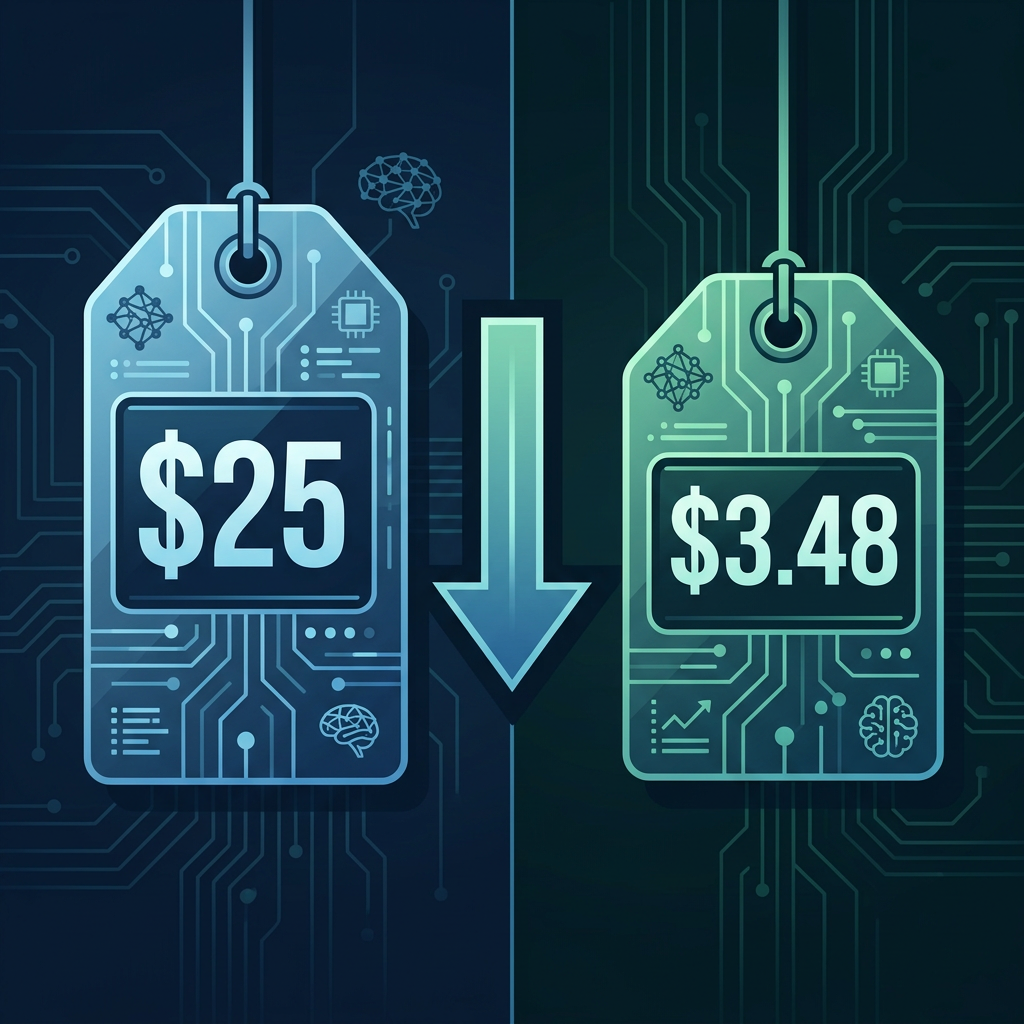
Forty-one days.
That's how long it took Anthropic to go from Claude Opus 4.7 to Claude Opus 4.8. On May 28, 2026, they shipped the new model — and simultaneously announced a $65B raise at a $185B post-money valuation, led by Amazon and Google. Anthropic is now the most valuable AI startup in the world, passing OpenAI in a single press cycle.
The New York Times described Opus 4.8 as "particularly adept at vibecoding, or the process of artificial intelligence writing code from prompts in conversational English."
Not just coding. Vibecoding.
That's the word the paper of record chose to describe what the flagship AI model is now optimized for. And that framing matters — not just as a PR signal, but as a real indication of where the frontier model labs are pointing their compute.
What's Actually New in Opus 4.8
The benchmark story is less interesting than the architecture story. Opus 4.8 introduces Dynamic Workflows — a research preview feature that orchestrates hundreds of parallel subagents for complex tasks like codebase-scale migrations across hundreds of thousands of lines of code.
The benchmark improvements focused on two things: flagging uncertainties more explicitly, and reducing unsupported claims. In plain terms: the model got better at knowing when it doesn't know something.
For solo founders, both of these matter. An agent that hallucinates confidently is worse than one that says "I'm not sure" — because the confident wrong answer gets shipped.
The 41-day iteration cycle is worth pausing on. Claude 4.7 shipped in April 2026. Four generations into the Opus 4 line. Each one faster than the last. The labs are not slowing down — they're compressing timelines. If you're building with Claude today, assume the model you're using is meaningfully different from the one you'll be using in six weeks.
What the $65B Round Actually Signals
The capital raise is earmarked for two things: massive compute clusters, and "Claude 5" — Anthropic's stated next step toward AGI.
Amazon and Google leading this round is notable beyond the number. Both are cloud infrastructure companies with deep financial interest in Anthropic's compute spending coming back to their platforms. This isn't just an investment — it's a vertical integration of the AI supply chain.
Sovereign wealth fund participation means this capital isn't patient VC money looking for a five-year exit. It's strategic. Anthropic is building infrastructure at a scale and timeline that matches national-level technology bets.
For solo founders using Claude via API, the practical takeaway isn't the valuation — it's the compute commitment. More compute means faster model improvements, lower inference costs over time, and a broader set of agentic capabilities. The 41-day release cycle gets supported by the infrastructure to sustain it.
The "Vibecoding-First" Model
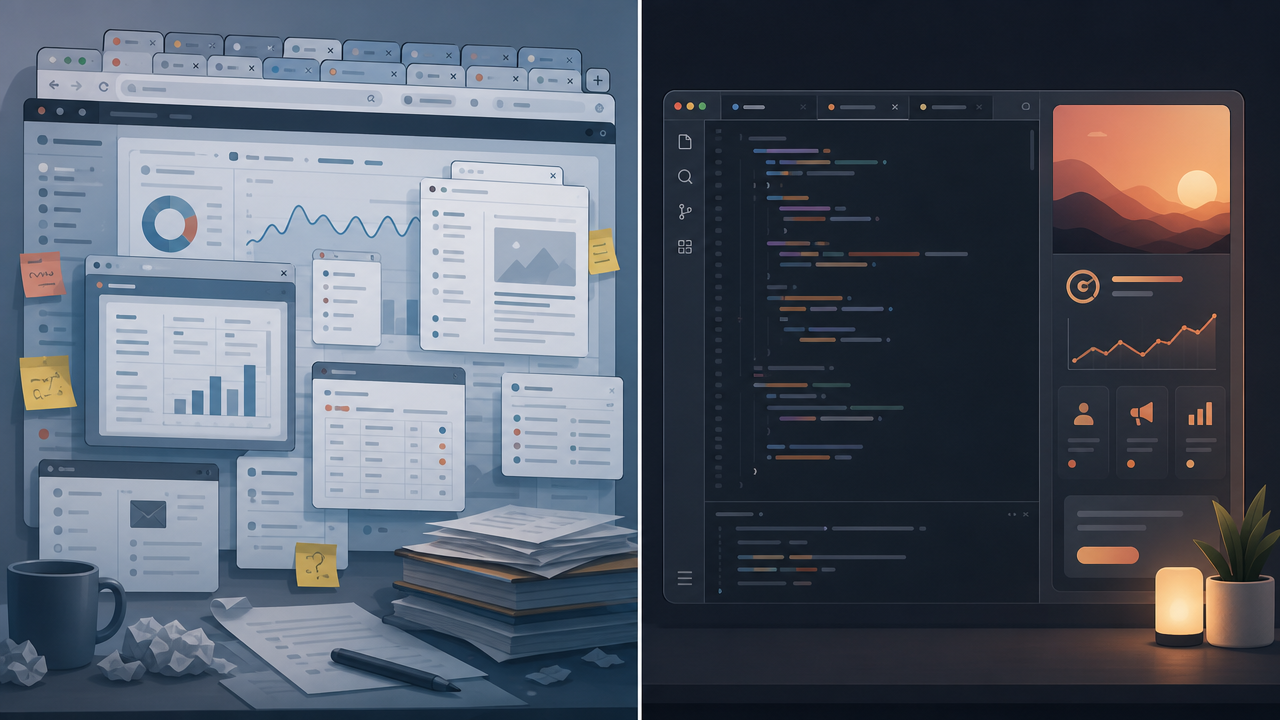
Here's the part most founders will miss in the coverage: the NYT didn't describe Opus 4.8 as a coding model. They described it as a vibecoding model.
The distinction is real. Vibecoding — directing AI to build software through conversational prompts rather than explicit technical specification — requires a different capability profile than traditional code completion. It requires the model to:
- Infer intent from ambiguous instructions
- Maintain context across long sessions
- Make reasonable architectural decisions without being asked
- Know when to ask for clarification versus when to proceed
These are the exact properties that Dynamic Workflows optimize for. Orchestrating hundreds of subagents on a codebase migration isn't just a power-user feature — it's the infrastructure that makes sustained agentic work reliable rather than brittle.
If 95% of YC startups are using AI-generated code as of mid-2026, and the flagship model is now explicitly optimized for that workflow, then the tools built around that workflow — IDE-native agents, context-aware automation, zero-context-switch pipelines — are in exactly the right place.
What This Means for Solo Founders Building Today
The capital and the model releases point in the same direction: the technical gap between a solo founder and a funded team is compressing further. What that leaves is the distribution gap.
Building is getting cheaper and faster every six weeks. But a commit doesn't tweet itself. A shipped feature doesn't write its own LinkedIn post. The window between "I just built something people want" and "anyone knows it exists" is the gap that stays hard.
Anthropic can throw $65B at compute. They can cut the time to build an MVP from months to days. What they can't automate is the consistent, authentic presence that compounds over time — the build-in-public cadence that turns lurkers into users.
That's not a knock on the model. It's a structural reality: distribution is a different surface area than construction. And it requires staying in the loop, not just shipping better code.
The IDE is where solo founders live. The codebase knows what shipped. The models are now fast enough to read it and turn it into platform-native content before the next iteration starts. That's the loop worth closing — and it starts in the same window where the rest of your work already happens.