Hypefury is good at what it's designed for: helping course creators and solopreneurs build an audience on X and LinkedIn, with auto-DMs, Gumroad sales automation, and a library of prompts to keep you posting.
If that's your profile, it works.
But if you're a technical founder — building in Cursor, pushing commits to GitHub, shipping product while you're trying to grow — Hypefury hits a ceiling fast. Not because it's a bad product, but because it's solving a different problem for a different person.
Here's an honest comparison of Hypefury versus what technical founders actually need in 2026, and why the best Hypefury alternative might not be a social media tool at all.
What Hypefury Actually Gets Right
Hypefury was built around a real insight: consistency is the hardest part of audience building. The auto-retweet, auto-plug, and scheduled thread features exist to help one-person operations keep posting even when motivation dips.
For creators who treat content as their primary product, it works. The Starter plan at $29/month is accessible, and the Business tier at $97/month adds team features and analytics that make sense for a solo content creator scaling up.
The LinkedIn integration is solid. Auto-DMs remove manual follow-up work. The interface isn't as clean as Typefully, but it's functional.
Where Hypefury Falls Short for Builders
The problem isn't the scheduling. It's everything before the schedule.
Hypefury, like every tool in this category, starts from the same assumption: you'll open a browser, stare at an empty text box, and figure out what to write. Then you'll write it, paste it in, set a time, and repeat tomorrow.
For a founder who just shipped a new API endpoint, fixed a gnarly authentication bug, and had three customer conversations before noon — that blank text box is the last thing you want to face at the end of the day.
A founder building API Butler described this exactly: even with Claude Code and Cursor making the build side fast and efficient, "figuring out Reddit distribution" was still a completely separate struggle. The tools for building and the tools for growing are in entirely different worlds.
Hypefury doesn't close that gap. It assumes you've already done the hardest part — coming up with something worth saying — and just helps you say it on a schedule.
That's not a criticism. It's a design choice. It's just not the right design for builders.
The Real Problem: Scoped Agents vs. Generic Tools
Here's what the indie hacker community has figured out about AI agents: running a full autonomous stack sounds appealing and breaks down immediately in practice. Cost, coordination overhead, and hallucination compound fast.
What actually works is a tightly scoped agent that knows exactly one domain and does that job well without burning your API budget.
This is why a marketing tool that deeply understands your product — what you shipped, what you're building, what your users are complaining about — outperforms a general-purpose content writer every time. The scope is narrow enough to be reliable. The context is specific enough to produce content that sounds like you, not like every other founder in the space.
Generic AI writing tools flood channels with content that could apply to any startup. Hypefury's AI features face the same constraint: they generate from a prompt, not from your actual product.
What a Real Hypefury Alternative Looks Like
For technical founders, the right tool has three properties that Hypefury doesn't have:
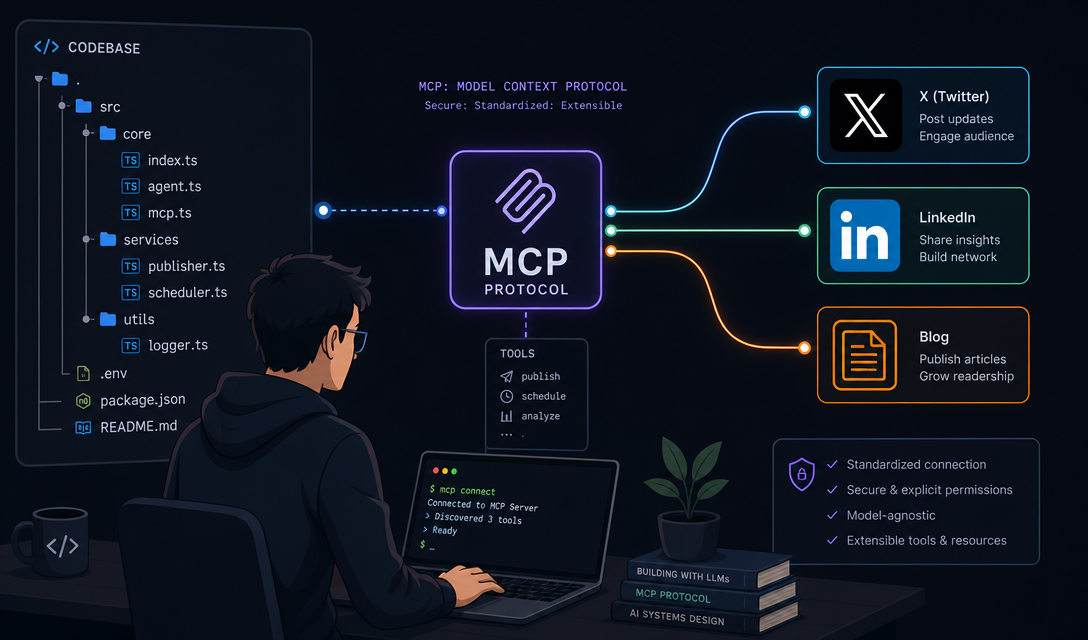
1. Zero context-switching. A true alternative for builders lives where you already work — your IDE. Not a browser tab. Not a separate app. The marketing layer should be a native part of the development environment, not a separate destination that competes for attention.
2. Product-native context. The content should be grounded in what you actually built: your commits, your codebase structure, your milestones. Not in prompts you write or forms you fill out.
3. Platform-specific intelligence. X, LinkedIn, Reddit, Hacker News, and a blog all have different cultures, different formats, and different audiences. What works on X will get you ignored on Hacker News. A real alternative generates native content for each platform, not the same post reformatted.
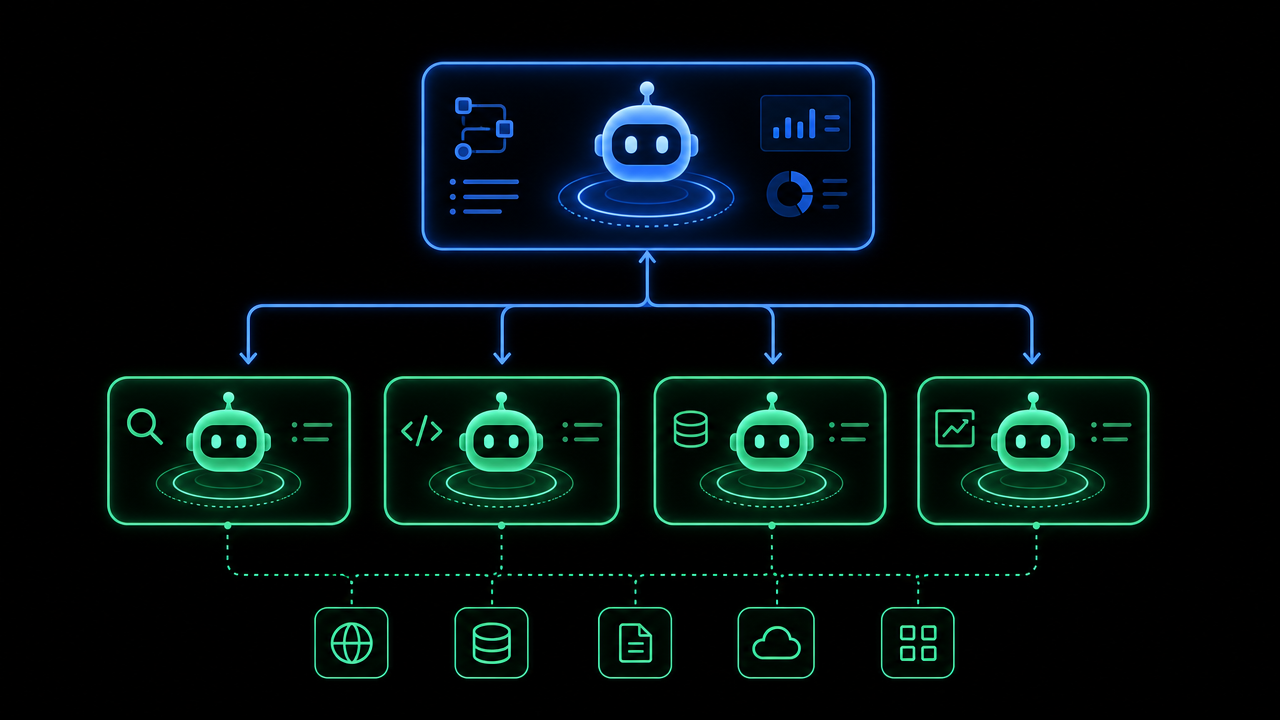
VibeCom is built around these three properties. The MCP server lives inside Cursor, VS Code, and Claude Code. It reads your codebase and commits directly. A multi-agent system generates platform-native content for 10+ platforms simultaneously.
You spend 5 minutes in the morning reviewing the queue. Everything else runs.
Hypefury vs. VibeCom: Side-by-Side
| Hypefury | VibeCom | |
|---|---|---|
| Where it lives | Browser dashboard | Inside your IDE (MCP) |
| Content source | Manual prompts | Your codebase + commits |
| Platforms | X, LinkedIn | X, LinkedIn, Reddit, HN, Blog, and more |
| Context switching | Required | None |
| Auto-publish | Yes | Yes (X and LinkedIn) |
| Pricing | $29–$199/mo | $99/mo Growth plan |
| Built for | Course creators, solopreneurs | Technical founders, vibe coders |
Who Should Still Use Hypefury
If you're a creator whose product is your content — courses, newsletters, coaching — Hypefury's automation features map well to your workflow. The auto-DMs and Gumroad integration are genuinely useful if you're selling digital products.
If your audience is primarily on X and the content volume (threads, auto-plugs) matters more than depth, Hypefury's scheduler handles that well at the $29 entry point.
The Honest Takeaway
Hypefury is a solid tool for content creators. It's not built for engineers who build products and need growth to happen alongside development, not instead of it.
The best hypefury alternative for technical founders isn't another social media dashboard. It's a tool that understands what you're building before you have to explain it — and handles the distribution while you stay in the editor.
That's a different product category entirely. And in 2026, it finally exists.
VibeCom is the IDE-native growth agent for technical founders. Install the MCP server in Cursor or VS Code, connect your channels, and spend 5 minutes reviewing your queue each morning.