Solo founders spent 20–30% of their week on marketing before AI tools arrived. Today that number is closer to 5–10% — in theory. In practice, most indie hackers are still doing it manually, burning hours on content creation and scheduling while their actual product sits waiting.
Social media automation for indie hackers isn't new. What's new is that the tools have finally caught up to what solo founders actually need: not just scheduling, but thinking.
The Real Problem Isn't Scheduling
If you've tried a scheduler, you know the friction point isn't hitting publish. It's everything before that.
What do I write today? Is this angle fresh or did I post something like this last week? Does this post sound like me or like a GPT-4 output from 2023?
A post from r/vibecoding last week put it bluntly: "vibe coding made building easy… marketing is still the boss fight." The thread filled with founders nodding — they ship products in days now, but content distribution still runs on manual effort, gut instinct, and occasional panic-posting before a ProductHunt launch.
Scheduling tools solve the wrong problem. The bottleneck is upstream.
What's Actually Happening to the Martech Stack
Mid-market firms saw a 35% YoY decline in renewals for single-function martech tools in 2026. Marketing agencies are replacing 80% of their software subscriptions with AI-native tools or internally built alternatives.
63% of people using vibe coding tools aren't developers — they're marketers and founders building their own stack. The era of paying $49/month for a scheduler that does one thing is ending fast.
But that creates a new problem: if everyone is building their own tools, what do you actually build? What's the right scope?
A telling thread on r/vibecoding asked exactly this — a founder proposed an "AI OS" covering marketing, SEO, finance, and analytics. The top comment: "Trying to do marketing + finance + analytics from day 1 is too wide." Founders want focused solutions, not all-in-one platforms that try to do everything.
The Solo Founder Marketing Reality
Here are the numbers from 2026 that matter:
- 44% of profitable SaaS products are now run by single founders (doubled since 2018)
- 36.3% of all new ventures are solo-founded, up from 23.7% in 2019
- 90% of founders skip a humanization layer between AI generation and publication — and that's why their content doesn't compound
- A solo founder can produce 2–3 SEO-optimized articles per week in roughly 5 hours with the right stack
- The standard 2026 solo founder content stack costs $65–$180/month across tools
The pattern is clear: more solo founders, leaner budgets, and an AI generation step that often produces content nobody engages with because it sounds like nobody wrote it.
The 90% statistic is the real one. The generation step is solved. The gap is in the layer between raw AI output and something that actually sounds like a founder with a point of view.
What Good Social Media Automation Actually Looks Like for Indie Hackers
Not every automation is equal. Here's the breakdown that matters:
Scheduling (table stakes): Buffer, Typefully, and others handle this fine. The problem is they start at the post — they don't help you figure out what to write or whether you've already said it.
Content generation (the promise, often the problem): AI writers can produce volume. But 58% of marketers say AI has improved content quality — while only 4% think AI-generated content is indistinguishable from human-written. The gap is massive. AI productivity is real; AI quality is not automatic.
Context-aware generation (the actual gap): The r/vibecoding thread mentioned a founder building a "brand brain first content tool" — one that captures product context before generating anything. That's the right instinct. Without product context, AI generates things that could have come from any startup. With it, you get posts that name your product, reference your real milestones, and sound like they came from someone who is actually building.
Distribution intelligence (what's mostly missing): Knowing which channels to post to, when, and whether you've covered that angle already. This is where most tools fall short.
A Practical Stack for 2026
If you're a solo founder building in public today, here's a pragmatic approach:
Capture before you generate. Every product update, insight, user quote, and metric gets saved somewhere — a note, a material database, anything. Raw facts are the fuel. Without them, you're generating from nothing.
Generate per-platform, not per-post. A single fact should become a tweet thread, a LinkedIn post, and a blog paragraph — not one generic post copy-pasted three times. Each platform has different constraints and different readers.
Read your last 5 posts before writing the next one. The most common failure in build-in-public content: repetitive structure. If every post starts with a question and ends with a CTA, your audience starts to predict you. Predictable is invisible.
Audit your humanization step. Before publishing anything AI-generated, ask: does this sound like something I'd actually say? Could it have been written about any startup? If yes to either, rewrite the opening and closing at minimum.
Measure compounding, not output. Volume is easy to automate. The metric that matters is whether your content is building inbound — SEO traffic, follower growth, inbound DMs. If you're posting regularly but nothing is compounding, you're automating noise.
The MCP Angle Worth Watching
One signal that's easy to miss: 78% of enterprise AI teams have adopted MCP (Model Context Protocol) as of April 2026. Marketing automation already accounts for 9% of the public MCP registry, with 9,400+ servers indexed.
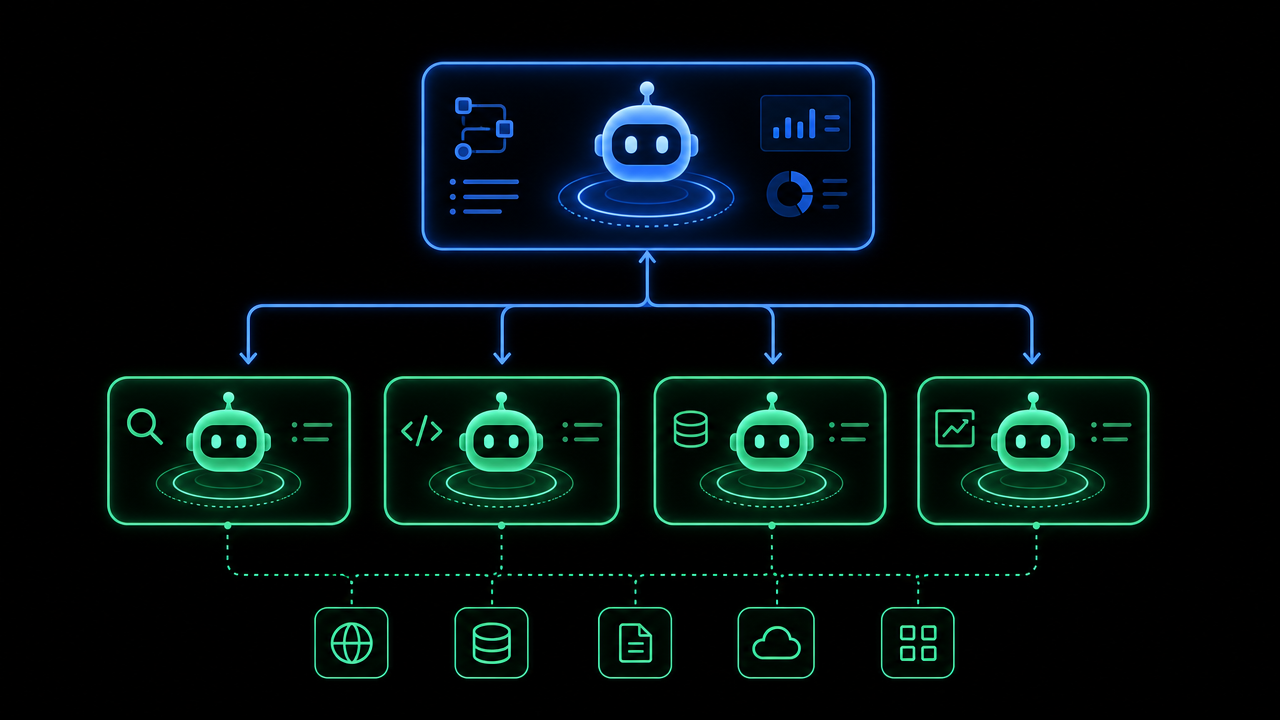
For indie hackers, this matters because MCP is the integration layer that lets AI agents talk to your actual tools — your CRM, your analytics, your publishing platforms. The "AI that knows your product" problem is solvable at the infrastructure level. What's missing is the growth-layer product built on top of it.
That's the gap. Not another scheduler. An agent that knows what you've shipped, what you've posted, and what's worth saying next.
The Honest Takeaway
Social media automation for indie hackers in 2026 is not about posting more. The tools to post more are cheap and plentiful. The real unlock is automation that makes each post worth reading — grounded in your actual product, not generic AI output.
The founders who are compounding their distribution aren't necessarily posting more than anyone else. They're posting with more specificity. That specificity is what automation needs to help with next.
If your current stack makes you faster but doesn't make you sound more like yourself, that's the gap worth closing.
VibeCom is a growth autopilot built for technical founders — it turns product context into platform-specific posts across X, LinkedIn, and blog, then learns from what works. Built for the solo founder who ships fast but needs distribution to keep up.